
Goals
Cultural Water:ways Authentic Sonoran Bio/Cultural Diversity
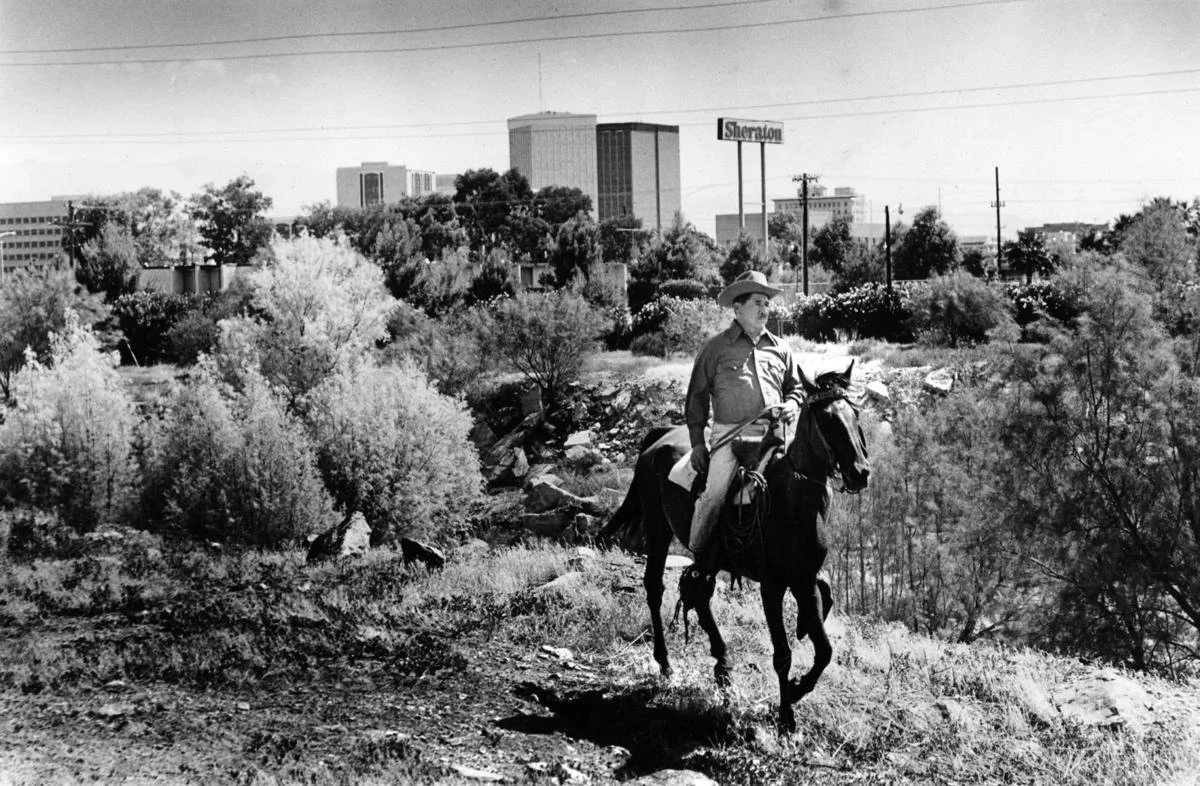
Honoring Indigenous stewardship, diverse traditional cultural practices, natural heritage, and the many meanings of water.
The Santa Cruz River’s revival serves both people and wildlife in a region facing mounting environmental challenges. The River, long written off as a dry remnant of its past, is showing signs of remarkable recovery. In the past 10 to 15 years, stretches of the river that once ran dry now flow year-round with clean water, bringing back endangered species and drawing hundreds of birds, fish, reptiles, amphibians, and plants. The effort goes beyond saving individual species: it aims to connect fragmented stretches of the river and nearby tributaries, linking them into a regional network of habitat that could provide safe passage for wildlife across southern Arizona.
A recognized refuge would not only strengthen ecological connections but also deliver broader benefits—mitigating heat, reducing floods, supporting recreation and tourism, and protecting plants central to culture and food traditions. Tucson is home to a vibrant mix of communities whose heritage and creative practices shape daily life: Indigenous foodways rooted in traditional agriculture, a UNESCO City of Gastronomy designation tied to its multicultural culinary history, and a flourishing arts community that ranges from grassroots collectives to major institutions. Festivals, murals, public art, and faith-based traditions weave together with academic and creative industries to form a cultural fabric that is as vital to Tucson’s resilience as its ecological systems.
Additionally, there is a strong, local ethos of stewardship, mutual aid, and environmental action that is embedded into the daily practices of Tucsonans
Linking the revival of the river with this cultural richness not only honors the region’s bio-cultural diversity but also ensures that conservation efforts reflect the values, histories, and aspirations of the people who call the Santa Cruz watershed home.

Ecological Over:flows Urban Ecological Refugia

Photo citation
Restoring riparian habitat, reconnecting fragmented ecosystems, and supporting endangered species recovery.
The Santa Cruz River is vital habitat for hundreds of iconic species, such as jaguars and javelinas. The endangered Gila topminnow and Longfin Dace are swimming once again after decades of absence. With the return of water come several endangered species: the Gila topminnow, the Southwest willow flycatcher, and the Beardless chinchweed plant. Additionally, the native Longfin Dace fish, an FWS species of conservation concern, was reintroduced in 2022 in parts of the Santa Cruz after a 100-year absence.

Community Cienegas A Wellspring of Stewardship
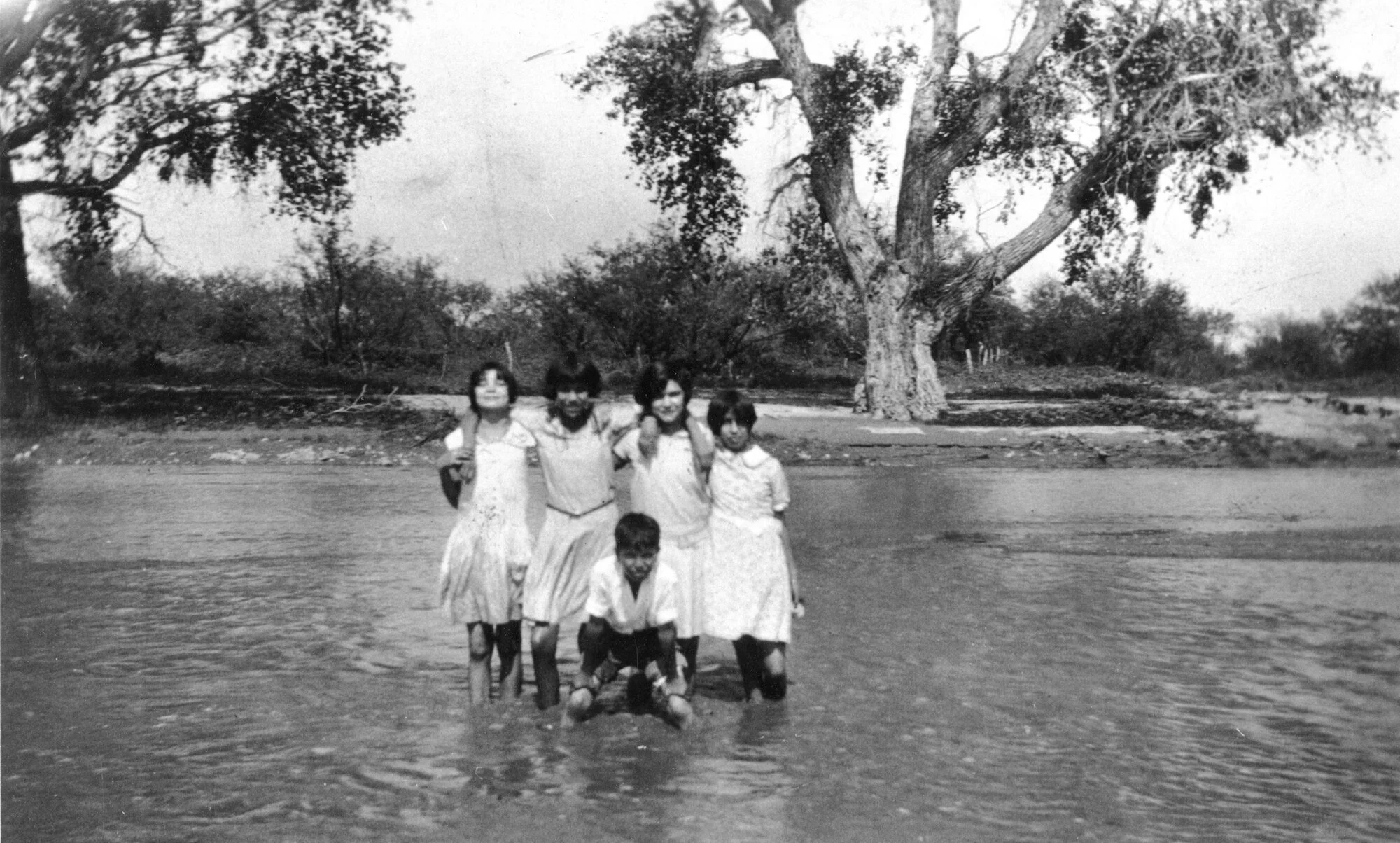
Missing photo citation
Building long-term pathways for co-management, equitable access, coordinated information sharing, and shared care for our desert river oasis.
There are multiple parallel efforts that are ongoing that are relevant to Tucsonans. One is the effort described here and a second is the pursuit of National Refuge Designation. For more information about the Federal designation effort we encourage you to visit www.santacruzriver.org. The work of this outreach and engagement effort builds upon and celebrates a long legacy of stewardship of and relationship with the Santa Cruz River. We also invite you to find out more and get involved, because we are better together.
Legacy of Stewardship at the Santa Cruz River
Tucson is one of the longest continuously inhabited places in the United States, with more than 4,000 years of human history tied to the Santa Cruz River and its floodplain. Archaeologists have identified thousands of sites along the river, from Paleoindian camps to Hohokam villages, each revealing how people adapted to desert life through ingenuity with water. Recent discoveries—like 3,000-year-old footprints preserved in an ancient agricultural field near Sunset Road—offer vivid evidence of early farmers who built irrigation canals, planted corn, beans, and squash, and left their mark on the river’s shifting floodplain.
Over time, these practices evolved into the sophisticated canal systems of the Hohokam, who irrigated more than 100,000 acres and sustained tens of thousands of people across the desert. The Santa Cruz was not only a source of water but also the heart of cultural and economic exchange, linking communities locally and as far as Mesoamerica. Later, Spanish missionaries diverted The Santa Cruz River’s waters to orchards and gardens, and, in the19th-century travelers marveled at its shaded banks, rich wildlife, and fertile meadows.
Although much of the river went dry in the modern era, its role as Tucson’s lifeline endures. Recent ecosystem restoration has revived perennial flows, bringing back native species and reconnecting residents to a history rooted in water. Monsoon rains still define the rhythm of desert life, celebrated in festivals, foodways, and art. Tucson’s UNESCO designation as the first City of Gastronomy in the U.S. reflects these deep connections, honoring Indigenous and Mexican traditions that depend on rain-fed crops and desert farming.
For 12,000 years, the Santa Cruz River has been more than a waterway—it has been a living thread binding people, culture, and nature together. Protecting it today means carrying forward Tucson’s bio-cultural heritage into the future.
Ecological and Cultural Significance
Grounded in more than 12,000 years of human–river relationships, the initiative seeks to reconnect people, wildlife, and place across one of the most biodiverse and culturally rich landscapes of the Sonoran Desert. Once heavily degraded, the river now flows with high-quality water across 2040+ miles in Tucson, supporting rapidly recovering communities of fish, birds, butterflies, amphibians, reptiles, riparian vegetation, and more than 250 aquatic invertebrate species. The corridor is home to at least 22 threatened and endangered species. This urban stretch of river remains central to O’odham and Yaqui cultural practices, agricultural traditions, and regional history making its revitalization both an ecological and cultural imperative.